
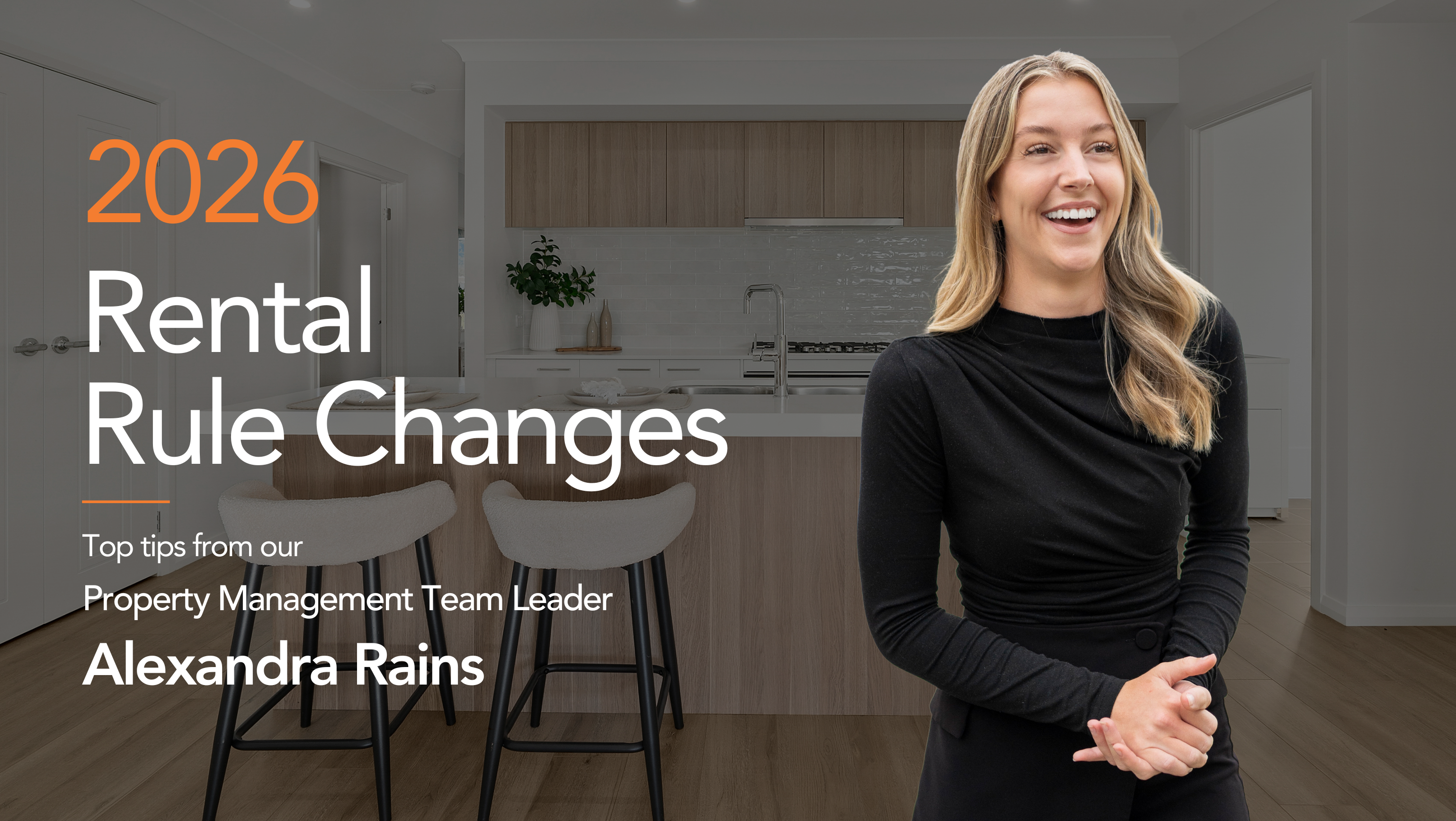
NSW Rental Rules in 2026: The Landlord Checklist for Illawarra & Shoalhaven
Being a landlord in NSW comes with more responsibility than simply collecting rent and maintaining your investment.
Over the past couple of years, rental legislation has changed significantly, and in 2026 there are still a number of areas landlords need to stay on top of.
From tenancy terminations and water compliance to smoke alarms, blinds and balcony safety, the biggest risk is often not landlords deliberately doing the wrong thing, but simply not realising the rules have changed.
We spoke with Alexandra Rains, Property Management Team Leader – Ulladulla, about the biggest rental compliance issues she is seeing, the common misconceptions landlords still have, and what property owners across the Illawarra and Shoalhaven should be reviewing in 2026.
For Alex, the key message is simple: be proactive, not reactive.
1. No-Grounds Terminations Are Gone
One of the biggest changes landlords still need to understand is the removal of no-grounds termination notices.
Landlords can no longer end a tenancy simply because a fixed-term lease is coming to an end.
Whether a tenant is on a fixed-term or periodic agreement, landlords now need a valid reason to terminate the tenancy and, depending on the reason, may also need to provide supporting documentation.
This is an area Alex says some landlords are still adjusting to.
There can also be penalties if a property is re-let during an exclusion period following certain types of termination.
For landlords, this makes tenant selection more important than ever.
Alex says having an experienced agent working in a landlord’s best interests from the beginning can help reduce the risk of ending up in a difficult tenancy.
Good property management, she says, is about keeping landlords informed before changes take effect rather than after a problem occurs.
2. Building Compliance Does Not Automatically Mean Tenancy Compliance
Another common misconception is that if a property met building standards when it was constructed, it must automatically meet all residential tenancy compliance requirements.
That is not always the case.
There are separate tenancy compliance obligations landlords need to continue reviewing throughout the life of the property.
Some of the most common issues Alex sees relate to smoke alarms, corded blinds, water efficiency, window safety and balconies.
3. Corded Blinds Are Often Overlooked
Corded blinds are one of those areas many landlords may not think twice about.
However, blind cords need to be properly secured to reduce choking and strangulation risks.
This applies regardless of whether there are children listed on the lease.
She says it is a simple item to check, but one that can easily be overlooked if a property is not being regularly reviewed from a compliance perspective.
4. Water Compliance Matters
Water compliance is another area landlords need to be clear on.
If a landlord wants to charge a tenant for water usage, the property must meet the relevant requirements, including appropriate water-efficiency standards and separate metering.
This can be particularly important for properties with multiple dwellings, duplexes or granny flats.
Alex says landlords should make sure the arrangement meets current tenancy requirements before passing water usage costs on to a tenant.
Alex's Top Five Compliance Checks for Landlords
If you own an investment property in the Illawarra or Shoalhaven, Alex recommends reviewing these five areas first:
1. Smoke alarms
Make sure they are working, maintained and checked as required.
2. Corded blinds
Check that all cords and chains are installed and secured correctly.
3. Water compliance
Confirm the property meets the requirements needed to charge tenants for water usage.
4. Window locks and safety devices
Make sure windows are secure and any required safety devices are in place and functioning.
5. Balconies and decks
Regularly check for deterioration, faults or any potential safety concerns.
These checks may seem simple, but overlooking one of them can create unnecessary risk for both the landlord and tenant.
One of the Biggest Misconceptions for Landlords
According to Alex, one of the biggest misconceptions she still hears is:
"The lease is ending, so I can just ask the tenant to leave."
That is no longer how it works.
The end of a fixed-term lease does not automatically give a landlord the right to terminate the tenancy.
Landlords still need to rely on a valid ground, follow the correct notice requirements and provide supporting documentation where required.
Alex says this is exactly why staying educated on rental legislation is so important.
Why Professional Property Management Matters More Than Ever
Many self-managing landlords are capable of handling the everyday basics of a tenancy.
They can collect rent, maintain a ledger, organise repairs and communicate with their tenant.
Where it becomes more challenging is keeping up with legislation that continues to evolve.
Rental laws apply whether a property is privately managed or professionally managed, and landlords still have obligations under the Residential Tenancies Act.
For Alex, this is one of the biggest advantages of having an experienced property manager.
Property managers deal with tenancy legislation every day, undertake ongoing professional training and can identify issues before they become larger problems.
That experience can help landlords make decisions based on current legislation rather than outdated advice or assumptions.
Alex's Advice for Landlords in 2026
Alex's biggest piece of advice for landlords heading into the second half of 2026 is simple:
Don’t be afraid to spend money on compliance.
Many standard compliance checks can be relatively inexpensive compared with the potential cost of discovering an issue after something has gone wrong.
More importantly, good compliance protects both sides of the tenancy.
It helps protect the landlord and the property, while also helping ensure the tenant is living in a safe home.
For Alex, effective property management is about staying informed, being proactive and making sure landlords are prepared before compliance issues become a problem.
Not Sure If Your Property Is Compliant?
If you own an investment property in the Illawarra or Shoalhaven and you are unsure whether everything is up to date, our team can help.
Reach out to our Property Management team to talk through your property, your current obligations and any areas that may need attention.
A quick conversation can help give you greater clarity and confidence that you are managing your investment the right way.
This article provides general information only and should not be relied upon as legal advice. Rental legislation and individual property requirements can vary, so landlords should seek advice relevant to their circumstances.